Browsing: COVID-19 Pandemic

The latest news effecting cancer patients and oncology service delivery during the COVID-19 pandemic

Restrictions in access to care during the COVID-19 pandemic caused disruptions in the treatment of cancer and other conditions. A new study now indicates that the pandemic also likely caused new cancer diagnoses to be delayed, a situation that could lead to worse prognoses for patients. The findings are published by Wiley online in CANCER, a peer-reviewed journal of the American Cancer Society. For the study, a team led by Brajesh K. Lal, MD, of the Veterans Affairs (VA) Maryland Health Care System and the University of Maryland School of Medicine, examined data from more than 9 million US veterans at 1,244 VA…
During the first 9 months of the COVID-19 pandemic, researchers did not find a significant difference in the number of new cancer diagnoses in Canadian children compared with before the pandemic, according to a study published in CMAJ (Canadian Medical Association Journal). “Our findings suggest that among children in Canada, cancer diagnosis was not delayed during the pandemic, unlike findings described in previous reports,” writes Dr. Marie-Claude Pelland-Marcotte, an oncologist at CHU de Québec – Université Laval, with coauthors. Evidence from countries such as the Netherlands and the United Kingdom has shown as much as a 50% reduction in cancer incidence after March 2020,…

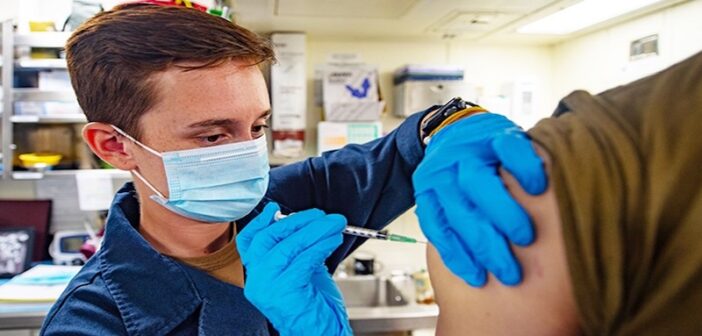
Individuals being treated for active cancer have a particularly high risk of severe disease and death from SARS-CoV-2 infection due to their aberrant immune responses from the cancer itself and from some therapies. A new study published in the Journal of Clinical Oncology examines the safety and immunogenicity of SARS-CoV-2 vaccines in a large group of people with diverse cancer types receiving different treatments and is the most comprehensive study of its kind. It is also among the first studies to examine the effect of vaccine booster doses in people with cancer. “We pursued this study because there were limited data on the safety…

Although the COVID-19 vaccines have been proven safe and effective in the general population, little is known about whether patients with lung cancer would develop a protective anti-spike antibody response because these patients were excluded from most COVID-19 vaccine trials. Previous studies demonstrated that patients with lung cancer suffered a 30% mortality rate from COVID-19 significantly higher than the general population. In a new study published in the Journal of Thoracic Oncology, researchers from France showed that SARS-CoV2 vaccines are safe and effective in patients with thoracic cancer, most of whom are immunised after two doses. A third shot given to…

Most children with cancer who have mild COVID-19 make a full recovery, a new study has found. But paediatric cancer patients with underlying health conditions, severe infections and low white blood cell counts were significantly more likely to have severe disease. The study, led by the Murdoch Children’s Research Institute (MCRI), Peter MacCallum Cancer Centre and Goethe University in Frankfurt, which provides new insights into COVID-19 disease severity, duration of shedding, symptoms and outcomes in children with cancer, will help inform treatment decisions. The research, published in the European Journal of Cancer, involved 131 children aged under 19 years with COVID-19 across 10 countries including Australia,…

Patients with advanced breast cancer should receive COVID-19 vaccinations as soon as possible and the second dose should be delivered early, no later than three to four weeks after the first, the virtual meeting of the Advanced Breast Cancer Sixth International Consensus Conference (ABC 6) heard. Dr Alexandru Eniu (MD, PhD), medical oncologist and chief physician at the Hôpital Riviera-Chablais, Rennaz, Switzerland, told the meeting that evidence to date showed that vaccines were safe for cancer patients, with no notable differences between different brands. However, vaccines based on inactivated viruses should not be used in cancer patients. In addition, he said vaccination should not…

The COVID-19 pandemic has prompted unprecedented changes in cancer care in Australia, with high-value practices across all levels set to continue post-pandemic, adding considerably to optimal cancer care, according to the authors of a consensus statement published today by the Medical Journal of Australia. Cancer Australia held a virtual roundtable in July 2020 comprising thirty leading Australian cancer experts and consumers, which explored 12 elements of cancer care that have changed during the pandemic. The discussion focused on the impact of these changes, and strategies to retain, enhance, and embed high-value modifications into practice. Expanded use of telehealth: “Telehealth offers benefits…

Patients with multiple myeloma often mount a poor antibody response to COVID-19 vaccines. Mount Sinai researchers have now discovered that these patients also have a weak response from a different part of the immune system, known as T cells. Their discovery was published in a research letter in Cancer Cell in October. In a trial of 44 patients with multiple myeloma, those with low or no antibody response to the COVID-19 mRNA also had few or no T cells that could have protected them from a severe COVID-19 infection. T cells are an important component of the immune system and play a central…

Cancer patients are at increased risk of SARS-CoV-2 infection and severe COVID-19 courses. Coronavirus vaccination is generally recommended for cancer patients, but so far little is known about how well they respond to the vaccine. In a study now published in the JAMA Oncology, an interdisciplinary team of researchers from MedUni Vienna and Vienna General Hospital, Austria, led by Matthias Preusser, was able to show that the type of cancer treatment influences the vaccine response: patients undergoing chemotherapy had lower antibody levels than patients undergoing targeted therapy. The scientists from the Department of Medicine I (Division of Oncology and Division of…

C Raina MacIntyre, UNSW; Anne Kavanagh, The University of Melbourne; Eva Segelov, Monash University, and Lisa Jackson Pulver, University of Sydney The latest New South Wales roadmap to recovery outlines a range of freedoms for fully vaccinated people in the state when 80% of those aged 16 and over are vaccinated. Unvaccinated people will remain restricted, but will have the same freedoms by December 1, when 90% of adults are expected to be vaccinated. The relaxing of restrictions will occur in three stages, at the 70%, 80% and 90% vaccination mark, with many restrictions dropped by December 1. This includes…

1 4 5 6 7 8 20