Browsing: COVID-19 Pandemic

The latest news effecting cancer patients and oncology service delivery during the COVID-19 pandemic
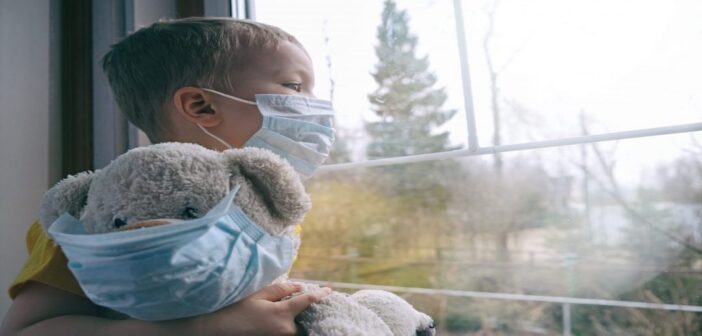
Research from a large international effort shows that 20% of children with cancer who are infected with SARS-CoV-2 develop severe infections. In studies of children overall, only 1-6% have reported severe infections. The results come from the Global Registry of COVID-19 in Childhood Cancer, which was launched by St. Jude Children’s Research Hospital and the International Society of Paediatric Oncology (SIOP). The registry gathers data on the pandemic’s effect on this unique patient population. The findings were published in The Lancet Oncology. Results from the registry indicated that in addition to more severe or critical infections, paediatric cancer patients were more…
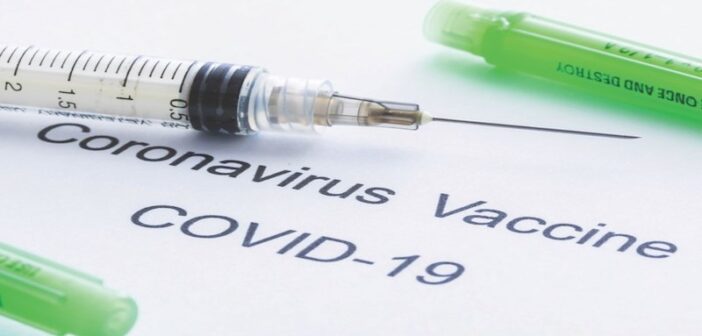
The National Comprehensive Cancer Network® (NCCN®) — a nonprofit alliance of leading cancer centres across the United States — joins the growing call for mandatory COVID-19 vaccination for all eligible healthcare workers. The organisation issued an official statement calling on all healthcare systems to ensure their workforces are immunised, which includes the following perspective: “Patients with cancer are more susceptible to COVID-19 complications and may not mount effective immune responses to vaccination, so it is incumbent on healthcare workers to be immunised against COVID-19. In so doing, we help to create a cocoon effect in which vulnerable individuals are protected from…

The findings come as welcome news as NSW lockdowns continue – but future cancer treatment patterns will depend on how current infection rates develop. Australian cancer patients kept up their pharmaceutical treatments during last year’s COVID-19 lockdowns, a big data study from UNSW Sydney shows. The findings, published today in Lancet Regional Health – Western Pacific, come as a relief following early concerns that cancer patients would decrease, or even stop, potentially life-saving treatments during the pandemic. But the researchers say the good news is closely linked to the relatively low rates of COVID-19 infections in Australia last year – and future…

Patients with multiple myeloma had a widely variable response to COVID-19 vaccines—in some cases, no detectable response—pointing to the need for antibody testing and precautions for these patients after vaccination, according to a study published in Cancer Cell. Mount Sinai researchers found that multiple myeloma patients mount variable and sometimes suboptimal responses after receiving the Pfizer-BioNTech or Moderna COVID-19 vaccines. Almost 16 percent of these patients developed no detectible antibodies after both vaccine doses. These findings may be relevant to other cancer patients undergoing treatment and to immunocompromised patients. “This study underscores the need for routine blood tests on multiple…

In an Australian first, Cancer Australia has launched the SerOzNET study, a large Australian clinical trial that will help build vital global evidence about the safety and efficacy of the COVID-19 vaccines in people with cancer. ‘We have established this timely clinical trial because there are limited data available internationally and within Australia regarding the impact and effectiveness of the COVID-19 vaccines in people with cancer,” said Professor Dorothy Keefe, CEO Cancer Australia. “The SerOzNET study presents a critical opportunity to contribute to the science in relation to COVID-19 vaccination of cancer patients.” “People with cancer were largely excluded from the…

A new study finds evidence for adverse effects of the COVID-19 pandemic on declines in cancer detection and surgical treatments. The study, appearing in JNCI: The Journal of the National Cancer Institute, finds a 10.2% decline in real-time electronic pathology reports from population-based cancer registries in 2020 compared with those in 2019. This study observation period, through December 2020, is one of the longest to date for evaluating the effects of the COVID-19 pandemic on cancer-related trends. To learn more about the indirect effects of the pandemic on cancer care, investigators led by Robin Yabroff, PhD, MBA of the American Cancer…

The COVID-19 pandemic has brought about many changes in the ways we live and work in NSW, but a new survey indicates these habits could also impact our risk of developing cancer. Commissioned by the Cancer Institute NSW, people across NSW were asked about their behaviours since the country’s first COVID-19 lockdown in March 2020. Professor David Currow, NSW Chief Cancer Officer and CEO of the Cancer Institute NSW, says the results highlight the need for people to be conscious of how a change in lifestyle can impact cancer risk. “It was really encouraging to see that some people felt that…

Since the early days of the COVID-19 pandemic, there were questions about how people in active cancer treatment would fare if they became infected with SARS-CoV-2. The worries were due, in large part, to the effects that cancer and its treatments can have on the immune system. Now that COVID-19 vaccines are widely available, concerns have shifted to the safety and effectiveness of vaccination in this potentially vulnerable population. A study published in the journal Cancer Cell aims to allay those fears. In a review of 200 patients with a wide spectrum of cancer diagnoses, researchers at Montefiore Health System and Albert…

A study by researchers at Mayo Clinic Cancer Center has found that cancer patients diagnosed with COVID-19 who received care at home via remote patient monitoring were significantly less likely to require hospitalisation for their illness, compared to cancer patients with COVID-19 who did not participate in the program. Results of the study were presented at the American Society of Clinical Oncology Annual Meeting and published in the Journal of Clinical Oncology. “For our study, we evaluated 224 Mayo Clinic patients with cancer who were found to have COVID-19 through standardised screening prior to receiving cancer treatment, or due to symptoms…

Australians with cancer are being urged to get vaccinated, following new research analysis which reveals one in four people with cancer who contract COVID-19 die from the virus. To help encourage Victorians with cancer to get vaccinated as soon as possible, the Victorian COVID-19 Cancer Taskforce has launched the Got cancer? Get vaccinated campaign – a collaborative initiative driven by leading Victorian oncologists, cancer health professionals and patient advocates concerned by the prevalence of vaccine hesitancy and confusion about the safety, risks and benefits of the vaccine. Professor Grant McArthur, Co-Chair of the Victorian COVID-19 Cancer Taskforce and Executive Director of…

1 6 7 8 9 10 20