Browsing: COVID-19 Pandemic

The latest news effecting cancer patients and oncology service delivery during the COVID-19 pandemic
Cancer drugs capable of weakening the body’s immune defences are no more likely to increase the risk of Covid-19 infection or death than breast cancer therapies that do not undermine the immune system, a new study shows. Researchers say the results challenge initial concerns that such treatments, which poison cancer cells, were too dangerous to continue during the pandemic. Led by researchers at NYU Langone Health and its Perlmutter Cancer Center, USA, the new investigation involving over 3,000 women treated for breast cancer at the height of the pandemic in New York City showed that only 64, or 2 percent,…

During the first wave of the corona pandemic, 36 per cent fewer men were diagnosed with prostate cancer in Sweden than in previous years. On the other hand, the number of patients receiving curative treatment for prostate cancer was unaffected. This is shown by a new register study led by Uppsala University researchers, whose results are published in the Scandinavian Journal of Urology. “We think the number of cases diagnosed fell because, early on, the Public Health Agency of Sweden urged older people to minimise their social contacts and, by the same token, refrain from non-urgent health care. At the same…

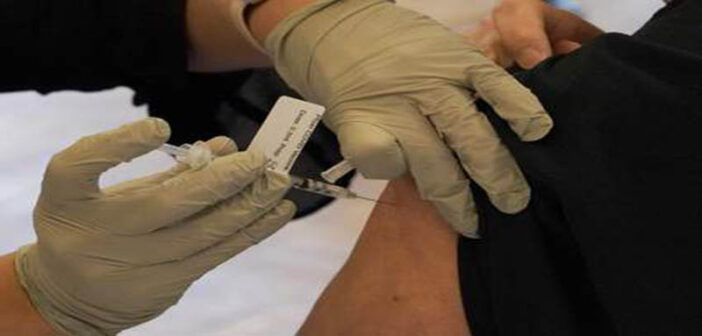
A single dose of a Covid-19 vaccine triggers an immune response in around 70 per cent of patients with myeloma – suggesting that it does provide protection against the virus. Researchers tested for Covid-19 coronavirus antibodies in 93 people with the blood and bone marrow cancer, myeloma. A recent report with a smaller number of patients with myeloma suggested that blood cancer patients might receive limited protection after vaccination. The study, led by The Institute of Cancer Research, London, UK, and The Royal Marsden NHS Foundation Trust, UK, aimed to find out whether vaccine protocols needed to change for this…

Two new studies published in Blood suggest that the mRNA COVID-19 vaccine may have reduced efficacy in individuals with chronic lymphocytic leukaemia (CLL) and multiple myeloma, two types of blood cancer. According to researchers, these studies could help inform the ideal time for vaccination of these populations. Study suggests two-dose COVID-19 vaccine is less effective for people with CLL as compared to healthy controls. The first study reports that people with CLL had markedly lower immune response rates to the two-dose mRNA COVID-19 vaccine than healthy individuals of the same age. Because clinical trials of these vaccines did not include patients with…

Cancer patients from the UK were 1.5 times more likely to die following a diagnosis with COVID-19 than cancer patients from European countries. This is the finding of a study of over 1000 patients – 924 from European countries and 468 from the UK – during the first wave of the COVID-19 pandemic. The research team, led by Imperial College London, UK, say the study highlights the need for UK cancer patients to be prioritised for vaccination. The study tracked data between 27 February to 10 September 2020, across 27 centres in six countries: Italy, Spain, France, Belgium, Germany and…

Urgent investment is needed in advanced forms of radiotherapy so the high-tech treatment can play a central role in clearing the backlog in NHS cancer care that has built up during the pandemic in the UK. Leading cancer experts are calling for the British Government to address gaps in funding for high-precision radiotherapy and to do more to overcome the public’s scepticism of radiotherapy as an ‘outdated’ form of treatment. Experts believe NHS patients are missing out on potentially life-saving treatments that could play a huge role in coping with the pressures of the pandemic, because of under-investment in new…

Most people with cancer who are infected by the novel coronavirus produce antibodies at a rate comparable to the rest of the population-but their ability to do so depends on their type of cancer and the treatments they’ve received, according to a new study by researchers at Montefiore Health System and Albert Einstein College of Medicine, USA. The findings, published online in Nature Cancer, may lead to better care for cancer patients, who face a heightened risk of dying from COVID-19, and suggests that cancer patients should respond well to COVID-19 vaccines. “We conducted the study out of our concern that…

US screenings for breast cancer and colon cancer dropped dramatically during the early months of the coronavirus pandemic, but use of the procedures returned to near-normal levels by the end of July 2020, according to a new study. Analysing insurance claims from more than 6 million Americans with private health coverage, researchers found that mammography rates among women aged 45 to 64 declined by 96% during March and April 2020 as compared to January and February. Similarly, the weekly rate of colorectal cancer screenings among adults aged 45 to 64 and older declined by 95% during the period. By the…

The COVID-19 and Cancer Consortium (CCC19) published new findings in the Annals of Oncology, showing heightened mortality and racial disparities for patients with cancer diagnosed with SARS-CoV-2 infection. After reviewing detailed information from almost 5,000 patients with active or past cancer and laboratory-confirmed COVID-19 diagnosis, CCC19 study authors found associations among laboratory measures, clinical factors – including older age, haematological malignancy and recent chemotherapy – and poor clinical outcomes. Of the patients in the study with COVID-19 and cancer, 58% required hospitalisation and 14% died within 30 days – compared with a COVID-19 death rate below 2% for the general population.…

With Australia’s COVID-19 vaccination program now underway, people affected by cancer have questions about the vaccines. To help provide some answers, Peter Mac has produced a video message and compiled a list of frequently asked questions, with answers based on current information and available evidence. Read the frequently asked questions here or download the FAQs document. Note that this information is general only, and is not a substitute for individual medical advice. Always seek the guidance of your doctor or specialist regarding your personal medical circumstances. For more information Visit the Australian Department of Health COVID-19 vaccine webpage View the Melbourne Vaccine Education Centre’s Frequently Asked…

1 7 8 9 10 11 20