Browsing: COVID-19 Pandemic

The latest news effecting cancer patients and oncology service delivery during the COVID-19 pandemic
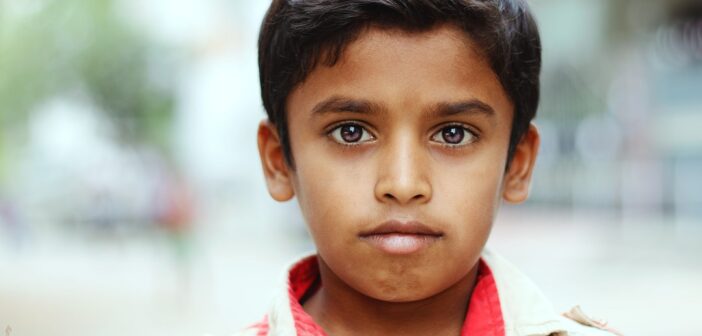
The COVID-19 pandemic has had major impacts on childhood cancer care worldwide, according to a survey of more than 300 clinicians from 200 hospitals worldwide published in The Lancet Child & Adolescent Health journal. The first global assessment of the impact of COVID-19 on paediatric cancer care reveals that paediatric cancer care was affected at more than three quarters of surveyed hospitals (78%). Almost half (43%) reported diagnosing fewer new cases than expected, while around one third (34%) reported a rise in the number of patients who abandoned treatment. The survey also found that nearly one in ten (7%) closed their paediatric…

An open-access article in ARRS’ American Journal of Roentgenology (AJR) describes the clinical and imaging features of axillary adenopathy detected during screening or diagnostic breast imaging after recent coronavirus disease (COVID-19) vaccination to inform the development of follow-up recommendations. Shabnam Mortazavi of the University of California at Los Angeles, USA, reviewed electronic medical records to identify women with post-COVID-19 vaccination adenopathy found from December 2020 to February 2021. For mammography, Mortazavi considered a node abnormal when its size, shape, or density was deemed disproportionate to other axillary nodes (ipsilateral or contralateral). On ultrasound, she deemed a node abnormal based on subjective assessment…

Researchers have called on European policymakers to make adequate resources available to tackle pancreatic cancer, a disease that is almost invariably fatal and where little progress has been made over the past 40 years. In the latest predictions for cancer deaths in the EU and UK for 2021, published in the leading cancer journal Annals of Oncology today (Monday), researchers led by Carlo La Vecchia (MD), a professor at the University of Milan (Italy), say that pancreatic death rates are predicted to remain approximately stable for men, but continue to rise in women in most EU countries. The researchers predict that 42,300…

While the COVID-19 pandemic has had a profound impact on all aspects of life, it has been particularly disruptive for the treatment of children and young people with cancer, according to a review published in ecancermedicalscience, an open access cancer journal focused on under-resourced communities. “Unlike a medical emergency where a life may be saved immediately, saving the life of a child with cancer is a marathon, not a sprint,” state the authors, led by Professor Kathy Pritchard-Jones, President of the International Society of Paediatric Oncology (SIOP), Steinhausen, Switzerland and Professor of Paediatric Oncology at UCL Great Ormond Street Institute of…

Australian cancer clinicians welcome a new resource to guide them through changes in practice brought about by a new emphasis on telehealth. Telehealth has reached new heights since the beginning of the COVID-19 global pandemic, with fresh uptake of new technologies and solutions to ensure patient safety. A new paper, ‘Telehealth in cancer care: during and beyond the COVID‐19 pandemic’ published in Internal Medicine Journal on February 11th, 2021, explores the rapid uptake of telehealth in cancer care. The authors argue many of the changes made in routine clinical practice could be embedded beyond the duration of the pandemic. The paper…

A new study on the effect of lockdowns on cancer diagnoses has found an 18.2% reduction in new cancer diagnoses and an overall 6.8% increase in Stage 4 cancers in the UK since March 2020 when compared to 2019. The study was published in ecancermedicalscience and led by researchers at King’s College London, Guy’s and St Thomas’ NHS Foundation Trust, the London School of Hygiene and Tropical Medicine, UK, and the Tata Memorial Cancer Centre, Mumbai, India.  The authors studied the rate of diagnosis within the area covered by the South East London Cancer Alliance, covering a population of around two…

New study finds more than half (56.4%) of cancer survivors in the United States reported having additional underlying medical conditions associated with severe COVID-19 illness. The report appearing in JNCI: The Journal of the National Cancer Institute, suggests that prevalence of these conditions among cancer survivors is nearly 40% higher than that in the general population. Cancer, and other underlying medical conditions, including chronic obstructive pulmonary disease, heart diseases, diabetes, chronic kidney disease, and obesity, are associated with increased risk of severe COVID-19 illness. For this study, investigators Changchuan (Charles) Jiang, MD, PhD, Roswell Park Comprehensive Cancer Center, Xuesong Han, PhD,…

The delays of screening programmes, diagnostic imaging and biopsies, cuts in the numbers of physicians available to treat liver cancer patients, cancellations of surgery, and a drop in the number of patients entered on clinical trials, were just some of the issues reported in the poll. The global Liver Cancer Outcomes in Covid-19 (CERO-19) Survey led by the Barcelona Clinic Liver Cancer (BCLC) group from Hospital Clinic of Barcelona, CIBEREH, Spain, and the Ospedale Maggiore Policlinico of Milan, Italy, included 76 high-volume cancer treatment centres which participated during the first wave of the COVID-19 pandemic between March and June 2020,…

Cancer Council NSW have released new data showing that, underpinned by research, 107,000 lives have been saved thanks to improvements in cancer prevention, early detection, screening and treatment over the past 20 years. The study, which looked at the changes in cancer incidence and mortality in Australia between 1996-2015, found that, whilst there were 2% more cases, there were 20.6% fewer cancer deaths for Australians under 75 years of age than expected (based on rates in 1995). Dr Eleonora Feletto, Senior Research Fellow, Cancer Council NSW said: “Australia has one of the highest cancer incidence rates in the world, so…

Patients with inactive cancer and not currently undergoing treatments also face a significantly higher risk of severe illness from COVID-19, a new study from Penn Medicine, USA, published online in JNCI Cancer Spectrum shows. Past reports have established an increased risk of severe disease and death for sick or hospitalised cancer patients with COVID-19 compared to patients without cancer, but less is known about patients in the general population. The findings underscore the importance of COVID-19 mitigation, like social distancing and mask wearing, and vaccinations for all patients, not just those recently diagnosed or with active disease. “Patients who have cancer…

1 8 9 10 11 12 20