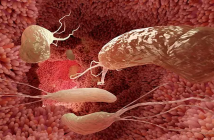


A new JAMA Pediatrics Viewpoint argues that Helicobacter pylori infection in children should be routinely treated, even when incidentally detected and asymptomatic — a shift from current paediatric guidelines that recommend treatment only after weighing risks and benefits with families.
Globally, around one-third of children are infected with H. pylori, with rates highest in low- and middle-income countries. The bacterium is a Group 1 carcinogen, responsible for up to 90% of non-cardia gastric adenocarcinoma cases worldwide.
Authors Dr Y. Dana Neugut and colleagues contend that early eradication — before the development of gastric atrophy or intestinal metaplasia — could substantially reduce lifetime gastric cancer risk.

They cite landmark data from long-term adult studies showing that eradication in individuals with normal gastric mucosa reduced gastric cancer incidence by 43% over 26.5 years (hazard ratio 0.57; 95% CI 0.33–0.98), with an estimated number needed to treat of fewer than 50 to prevent one case.
“We treat H. pylori in childhood for the same reason we do not allow children to smoke cigarettes. It prevents cancer in adulthood.”
Additional research from Japan similarly demonstrated lower cancer rates among patients whose H. pylori infection was successfully treated compared with those with persistent infection (0.9% vs 2.2%; HR 3.9; 95% CI 1.2–12.9). Both studies support eradication before the onset of precancerous mucosal change.
The authors argue that childhood infection represents the ideal window for prevention, as most adults with H. pylori–related cancer were infected early in life. They also note accumulating molecular evidence that the bacterium induces epigenetic changes and DNA methylation that may persist even after eradication, further supporting early intervention.
Concerns about antibiotic resistance, often cited as a reason to withhold therapy in asymptomatic children, may be outweighed by the long-term oncogenic risk, the authors write. Resistance may also be higher later in life, making H. pylori more difficult to treat.
In practical terms, they suggest deferring therapy only in very young children (<5 years) due to adherence and reinfection concerns, but otherwise recommend routine eradication once infection is detected.
“We treat H. pylori in childhood for the same reason we do not allow children to smoke cigarettes,” they conclude. “It prevents cancer in adulthood.”
Paper: Dana Neugut, Y., et al. Viewpoint: Treatment of H Pylori in Children to Prevent Gastric Cancer. JAMA Pediatrics. Published online November 3, 2025.