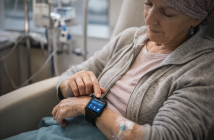


Early evidence suggests digital health tools may help improve recovery and patient-reported outcomes after major cancer surgery.
A new systematic review and meta-analysis by Australian researchers, published in Cancers, evaluated the impact of technology-enabled prehabilitation and rehabilitation programmes in adults undergoing thoracic or abdominopelvic cancer surgery. The study combined data from multiple randomised controlled trials to assess whether remotely delivered, technology-based interventions can improve perioperative outcomes compared with conventional care.
(P)Rehabilitation — interventions designed to help patients build physical strength, optimise nutrition, and support psychological wellbeing before and/or after surgery — has previously been shown to improve functional capacity in cancer patients. However, traditional programmes can be resource-intensive and difficult for many patients to access. Technology-enabled approaches, such as app-based platforms or remote digital coaching, offer a potential solution to expand reach and continuity of care.
CLINICAL SUMMARY
What was examined
A systematic review and meta-analysis evaluated whether technology-enabled prehabilitation and rehabilitation programmes improve perioperative and patient-reported outcomes in adults undergoing thoracic or abdominopelvic cancer surgery.
Key findings
-
Technology-enabled (p)rehabilitation was associated with a reduction in hospital length of stay compared with usual care or non-technology interventions.
-
Participants receiving digital interventions reported improvements in patient-reported outcomes, including pain, fatigue, depressive symptoms, and psychological distress.
-
Most interventions were delivered via app-based platforms and included combinations of exercise training, education, and self-monitoring, though study designs and programme components were heterogeneous.
Clinical implications
-
Digitally delivered (p)rehabilitation may offer a feasible way to extend perioperative supportive care, particularly for patients with limited access to in-person programmes.
-
Improvements in length of stay and symptom burden suggest potential benefits for both patient recovery and health system efficiency, although effect sizes varied.
-
Further large, well-designed trials are needed to define optimal programme components, timing,g and patient selection before widespread implementation in routine surgical oncology care.
The review included 17 randomised controlled trials encompassing nearly 1,700 patients. Most studies used application-based systems to deliver structured programmes spanning exercise, education, and self-monitoring components. Across the pooled data, technology-enabled (p)rehabilitation was associated with significant reductions in hospital length of stay and improvements in several patient-reported outcomes, including pain, depression, fatigue,ue, and psychological distress, when compared with usual care or non-technology interventions.

Featured Event
Despite methodological variability and modest sample sizes across individual trials, the overall results suggest that tech-enabled (p)rehabilitation may offer meaningful benefits in the perioperative period for cancer surgery patients. Reduced length of stay and better reported symptom control could translate into improved recovery experiences and greater healthcare efficiency.
The authors caution that evidence remains limited and heterogeneous, highlighting the need for larger, rigorously designed clinical trials to confirm these findings and define the most effective components, timing, and delivery models of such programmes.
As the burden of cancer surgery grows globally and health systems look to digital tools to extend care beyond hospital walls, technology-supported prehabilitation interventions could become an important addition to perioperative oncology care — bridging the gap between clinical care and patient empowerment.
Paper: Tsoukalas, et al. Technology-Enabled (P)rehabilitation for Patients Undergoing Cancer Surgery: A Systematic Review and Meta-Analysis. Cancers 2026, 18, 296. Access online here.