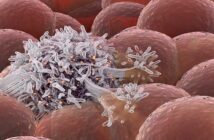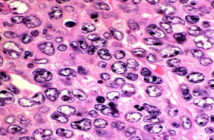

Researchers at Peking Union Medical College Hospital have mapped out why pairing two well-known cancer drugs can turn “sleepy” immune cells back into tumour killers. The researchers have traced the story behind the newest lab-designed proteins: one end releases the brake called PD-1 on T cells, while the other end gently hands the same cells a safer, souped-up version of the growth signal interleukin-2 (IL-2).
Genetic testing can transform surgical decisions and family risk assessment. New tools are making it easier for all clinicians to integrate testing without specialist referrals.

Listen Now | Exclusive to The Oncology Network
Immune checkpoint inhibitors like programmed death-1 (PD-1) blockade have transformed cancer care, but their effectiveness as a standalone therapy is limited. A key issue is that high PD-1 expression is linked to the terminal differentiation and exhaustion of immune cells, particularly T cells, creating a contradiction that reduces treatment efficacy and response rates.
IL-2, a critical immune-regulating cytokine, was one of the earliest approved cancer immunotherapies. However, its wide-ranging and complex effects have held back its full potential. Recent research, as highlighted in the review, shows that combining PD-1 blockade with IL-2 can work synergistically. This combination eases T cell exhaustion and boosts the cells’ ability to fight tumours, leading to better treatment outcomes.
Building on this discovery, scientists have developed bi-functional molecules. These innovative substances can simultaneously block PD-1 and deliver IL-2 or its engineered variants directly to target immune cells. The review catalogues all nine PD-1/IL-2 bi-functional agents now in clinical trials, mapping the field from IL-2Rbg-biased/IL-2Ra-biased designs to non-blocking PD-1 antibodies and the masked pro-drug design, details the mechanisms behind these bi-functional molecules, their potential in cancer treatment, and how they could drive future innovations in immunotherapy.
Source: Science China Press