

By Claudia Martínez Sánchez, Biomedicine and Molecular Oncology Researcher, Universidad de Oviedo
For decades, we have focused all our efforts on treating cancer by directly attacking tumor cells. Today, we know that one of the most valuable and powerful tools to fight it was already within our own bodies: the immune system. Making it our ally is an exciting option in the fight against cancer.
What is immunotherapy?
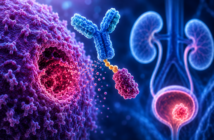
Unlike treatments such as chemotherapy or targeted therapies, immunotherapy does not directly attack the tumor. Its goal is different: to reactivate the patient’s immune system so that it “does the job” and eliminates the tumor cells.
Our immune system is designed to detect and eliminate threats, such as bacteria, viruses, or damaged cells. And in theory, it should also be able to recognize and eliminate tumor cells. The problem is that cancer learns to slow down, trick, or disable these defenses, allowing it to go undetected and progress.
This is where immunotherapy comes in: instead of acting directly on the tumor, it removes those brakes and strengthens the immune response. This allows the body to regain its natural ability to fight the disease.
An old idea, a recent revolution
The idea of using the immune system to fight cancer is not new. In the late 19th century, American physician William Coley observed that some cancer patients improved after suffering severe infections. Based on this observation, he attempted to elicit strong immune responses by injecting inactivated bacteria, known as Coley toxins.
The results were variable, and the technique was eventually abandoned, but it left a fundamental idea: activating the immune system could become a very effective antitumor strategy.
There is no single immunotherapy.
We often talk about immunotherapy as if it were a single treatment, but in reality, it encompasses very different strategies.
Among the most commonly used are immune checkpoint inhibitors, which remove the “brakes” that prevent the immune system from attacking tumor cells. There are also monoclonal antibodies, which specifically recognize these cells and allow for their elimination. As for adoptive cell therapies, such as CAR-T and TCR-T, these are based on modifying the patient’s own T lymphocytes so that they recognize and destroy malignant cells.
In addition, there are therapeutic vaccines and other drugs in development whose objective is to stimulate the immune response.
The greatest hits: why immunotherapy was a revolution
The impact of immunotherapy became especially evident in tumors such as metastatic melanoma and lung cancer. In some patients, treatments that previously only managed to gain a few months of life gave way to something unexpected: responses that lasted over time.
This concept of a “lasting response” is the key to the revolution. It’s not just about the tumor shrinking, but about it remaining under long-term control, something rarely achieved with traditional therapies. Therefore, with immunotherapy in our arsenal, we can speak of a paradigm shift in oncology.
So why aren’t all cancers treated with immunotherapy?
This raises the big question. If it works so well in some cases, why not treat all patients with immunotherapy?
To understand this, it’s necessary to distinguish between “hot” and “cold” tumors. Hot tumors have an “active” immune system: they exhibit T-cell infiltration and inflammation. In these cases, immunotherapy has a greater chance of being effective. Cold tumors, on the other hand, lack immune activity and do not respond to these treatments.
In addition, some tumors exhibit an enormous capacity for adaptation. Tumor cells can “hide” from the immune system, becoming less visible. Others prevent immune cells from entering the tumor or block their activity.
Furthermore, some tumors modify their environment to create a hostile atmosphere for the immune response. In these cases, immunotherapy has limited effectiveness because there is no effective immune response to target.
What if the immune system becomes overactive?
Activating the immune system comes at a price. In some patients, the immune response can also target healthy tissues, causing side effects such as inflammation of the skin, intestines, or thyroid gland.
In some cases, these side effects can be serious and appear even months after treatment has ended. Therefore, immunotherapy requires close medical monitoring and continuous care.
It’s not a universal cure, but it is a profound change.
Immunotherapy has not replaced traditional cancer treatments, nor does it work for all patients. But it has demonstrated something crucial: cancer can be treated differently.
Today, we know that its success is not accidental and depends on several factors. First, ongoing research to understand why it works in some tumors and fails in others, and how cancer cells manage to evade the immune system. Second, better patient selection, based on biomarkers that help predict who may benefit from the treatment.
Third, long-term follow-up is essential, necessary both to control the disease and to monitor for possible side effects.
Looking to the future of cancer research
Immunotherapy is not a “magic bullet,” but it has brought about a true revolution in oncology. It has been demonstrated that the immune system can become a very powerful therapeutic ally.
Its future lies not in its indiscriminate application, but in better understanding which patients it works for, why, and in combination with which treatments. In this way, oncology is moving towards precision medicine. Because true progress lies not in treating more, but in treating better.
Claudia Martínez Sánchez, Biomedicine and Molecular Oncology Researcher, Universidad de Oviedo
This article was originally published in The Conversation in Spanish. Read the original.