
Next to cancer recurrence or progression, cardiovascular diseases are the leading causes of death in cancer survivors.
The Surveillance, Epidemiology, and End Results database revealed that among the more than three million who initially survived cancer between 1973 and 2012, 38% eventually succumbed to the disease, while 11.3% died from cardiovascular diseases.
Specifically, cancer survivors are at a four to seven-fold higher risk of venous thromboembolism (VTE), which proves fatal in one out of seven cancer patients.
While the effects of high-fat diets have been studied in the context of cancer and cardiovascular disease, sparse information is available on the impact of a high-protein diet and cancer-associated thrombosis.
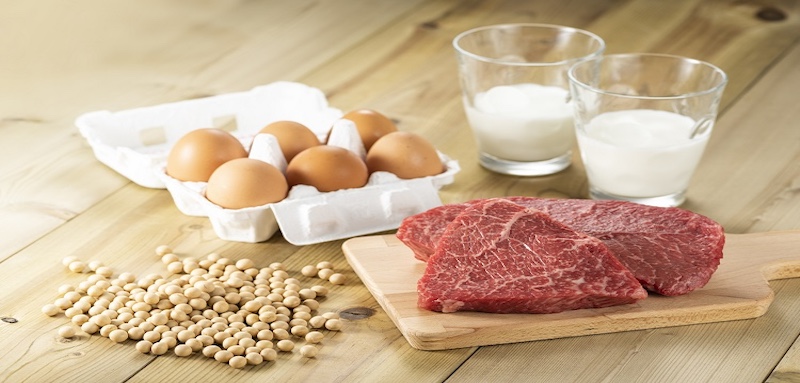
In a new study from Boston University Chobanian & Avedisian School of Medicine, researchers have found that a high protein diet, or a diet high in amino acid tryptophan (Trp).
Trp is abundant in various protein-rich foods increases the risk of cancer-associated VTE in experimental models.
“Although our new findings are based on experimental models, we believe that knowledge gained from this study could prompt interest in further testing relevance to the human condition,” says co-corresponding author Katya Ravid, the Barbara E.Corkey professor at the school.
The researchers found that experimental models with colon cancer who were fed a high-protein diet or a diet rich in Trp experienced more severe development of vascular thrombosis compared to the groups that had been fed a regular, balanced diet.
They also found that inhibiting the key enzyme responsible for the metabolism of tryptophan reduced the severity of vascular injury.
Finally, they found that Kynurenine, a known metabolite of tryptophan, affects blood coagulation factors that are known to promote thrombosis.

According to the researchers, this work has potential implications at the individual patient and population levels.
“Nutrition management is an integral component of cancer patient care. Patients with cancer are often advised to increase their dietary protein intake to compensate for cancer cachexia (involuntary weight loss, muscle wasting, and loss of appetite, leading to significant weakness and fatigue) and chemotherapy side-effects. At times, these patients receive parenteral nutrition (feeding directly into the bloodstream), including approximately five to eight times more Trp than the dietary recommendation,” explains co-corresponding author Vipul Chitalia, MD, PhD, professor of medicine.
These findings appear online in the journal Blood Advances.