
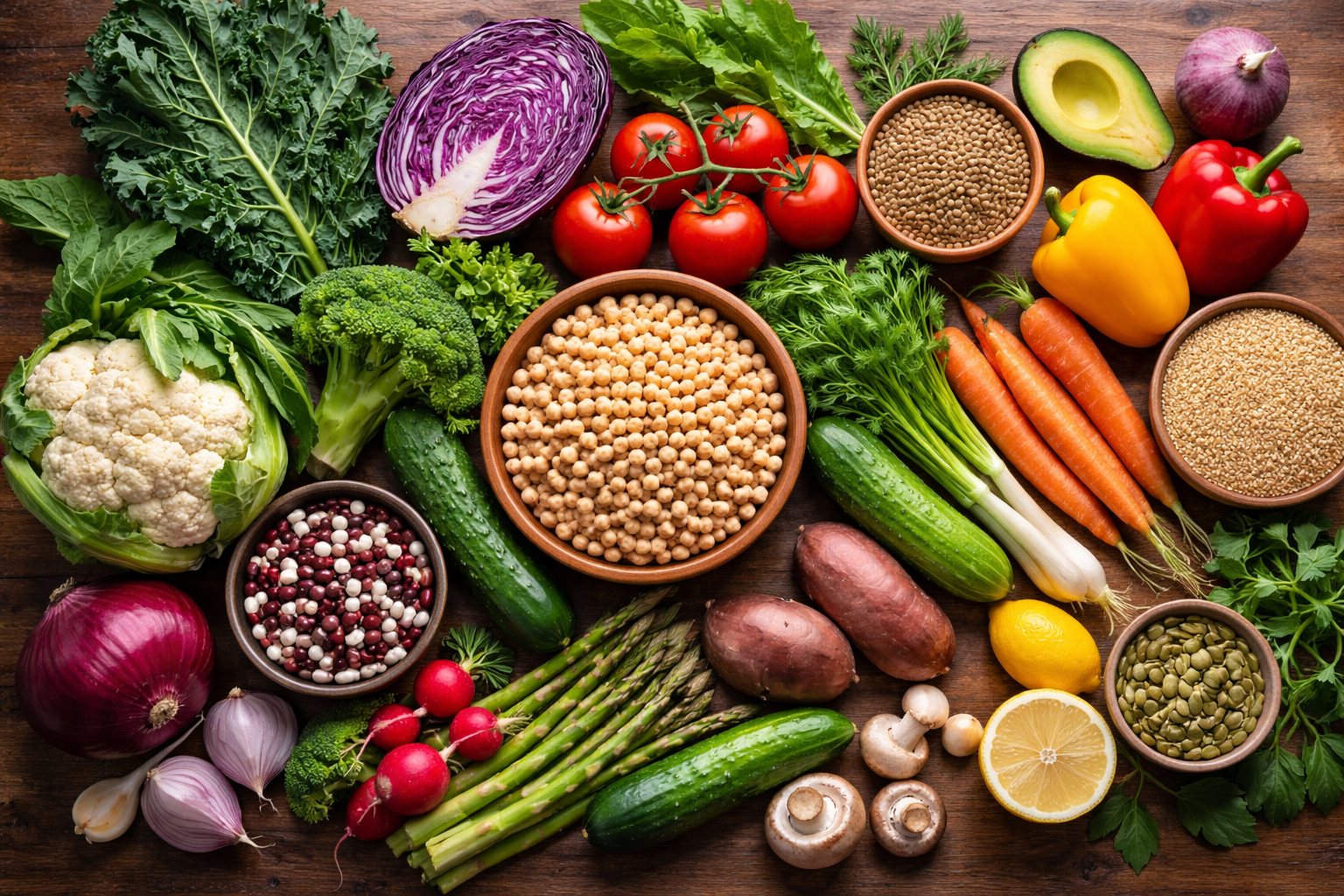
A pooled analysis of more than 1.8 million adults suggests that vegetarian dietary patterns may be associated with reduced risk of several cancers, although associations vary by cancer type and diet category.
The study, published in the British Journal of Cancer, combined data from nine prospective cohort studies across the UK, US, Taiwan, and India to examine cancer incidence across different dietary patterns. Researchers analysed outcomes among five diet groups: meat eaters, poultry eaters, pescatarians, vegetarians, and vegans.

Featured Event
Reduced risk observed for several cancers
Compared with meat eaters, vegetarians had lower risks for several malignancies, including pancreatic cancer (hazard ratio [HR] 0.79), breast cancer (HR 0.91), prostate cancer (HR 0.88), kidney cancer (HR 0.72), and multiple myeloma (HR 0.69).
Other diet groups also demonstrated differences in cancer risk. Pescatarians had lower risks of colorectal cancer (HR 0.85), breast cancer (HR 0.93), and kidney cancer (HR 0.73), while poultry eaters showed a modestly reduced risk of prostate cancer (HR 0.93).
These associations may reflect differences in body mass index, dietary composition, and other health-related behaviours across diet groups.
Increased risk observed for some cancers
Despite these findings, increased risks were observed for certain cancers in specific dietary groups.
Vegetarians had a higher risk of squamous cell carcinoma of the oesophagus compared with meat eaters (HR 1.93), while vegans showed an increased risk of colorectal cancer (HR 1.40). The number of cases in some subgroups, particularly vegans, was relatively small.
Potential explanations include nutritional differences between dietary groups, although the underlying mechanisms remain unclear.
Interpreting dietary associations with cancer risk
Investigators noted that dietary groups differed in several health-related behaviours, including body mass index, smoking, alcohol intake,e and screening practices, which may influence cancer incidence. Although analyses adjusted for multiple confounders, residual confounding remains possible.
Some associations, including for breast cancer, were attenuated after adjustment for BMI, suggesting adiposity may partly explain observed differences.
Overall, the findings indicate that plant-forward diets may influence the risk of certain cancers, but the relationship is complex and varies by cancer site and dietary pattern. The authors emphasised that these results should be interpreted cautiously, and may not be generalisable to populations with different dietary patterns or higher processed meat consumption.
Paper: Dunneram, Y., Lee, J.Y., Watling, C.Z. et al. Vegetarian diets and cancer risk: pooled analysis of 1.8 million women and men in nine prospective studies on three continents. Br J Cancer (2026). https://doi.org/10.1038/s41416-025-03327-4 Access online here.