Browsing: COVID-19 Pandemic

The latest news effecting cancer patients and oncology service delivery during the COVID-19 pandemic

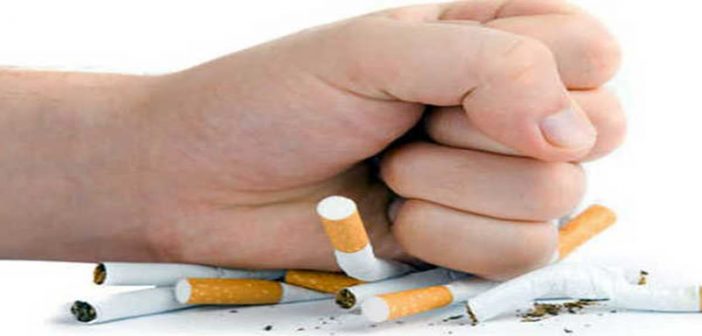
Simone Pettigrew, George Institute for Global Health Smokers are worried. A respiratory disease is running rampant across the globe and people with unhealthy lifestyle habits appear to be especially vulnerable. We know smokers hospitalised with COVID-19 are more likely to become severely unwell and die than non-smokers with the disease. At any point in time, most smokers want to quit. But COVID-19 provides the impetus to do it sooner rather than later. In our new study, we surveyed 1,204 adult smokers across Australia and the United Kingdom. We found the proportion intending to quit within the next two weeks almost…

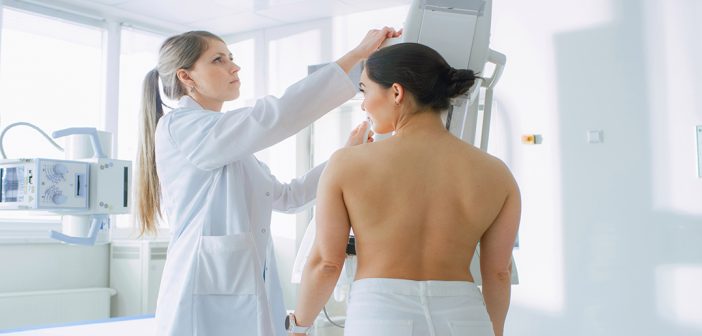
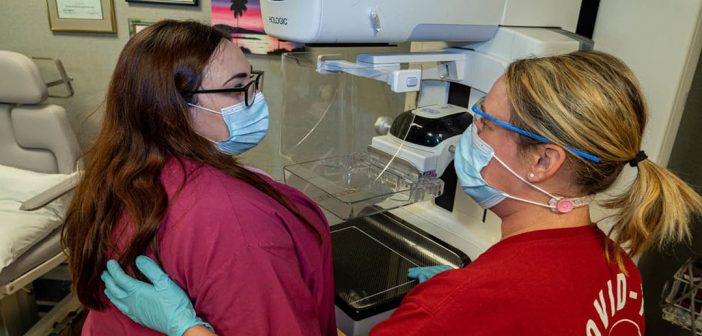
During the COVID-19 pandemic, many countries paused their breast cancer screening programmes. A new study, presented at the 12th European Breast Cancer Conference, suggests that the disruption to screening could result in an increase in the proportion of women who die of breast cancer. However, the study also suggests that this risk can be lowered, for example by making sure all women who would have been screened during the pandemic do not miss out, even if they are now older than the upper age limit for screening. Two further studies, also presented at the conference, show how the COVID-19 pandemic affected…

Cancer Council and the Australian Government are encouraging doctors to talk to their patients about bowel, cervical and breast screening, as a new campaign launches urging Australians to tick screening of their to-do list. The national campaign Cancer Screening Saves Lives launched this week to help combat the impact of COVID 19 on the number of Australians participating in national cancer screening programs and visiting their GPs for regular health checks. The campaign is funded as a $2.2 million Commonwealth Government initiative. Professor Sanchia Aranda, CEO Cancer Council Australia explained GPs and health professionals play an important role in alleviating…

Beyond the tragic surges in hospitalizations and deaths, the first months of the COVID-19 pandemic disrupted healthcare for people with a wide range of medical conditions – including cancer. For women recovering after breast cancer treatment, COVID-19-related interruptions in rehabilitation care led to emotional distress and other effects on health and well-being, reports a study in the October issue of Rehabilitation Oncology, official journal of the APTA Oncology, an Academy of the American Physical Therapy Association. “Increased distress is one potential negative effect arising from reducing or eliminating rehabilitation services, effects known to cause their own adverse health effects,” according to…

Christian van Nieuwerburgh, University of East London The COVID-19 pandemic sweeping the world has prompted job losses and business closures, and an increase in stress and anxiety as lockdowns separate people from their friends and families. It’s become clear that we are struggling to maintain our mental health as the world changes around us, and the stability of incomes and social lives evaporate. The negative effects on our collective mental health are likely to be exacerbated, given indications that many parts of the world face a second spike in infections, and potentially further lockdowns. At times like this it’s important…

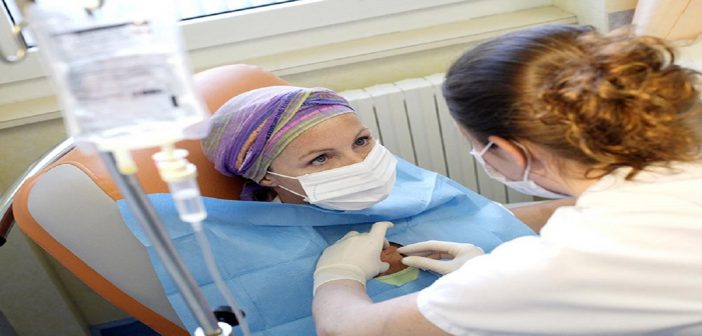
Delays and cancellation of cancer treatments and other safety measures undertaken to minimise the risk of exposure to the coronavirus (COVID-19) have generated a huge backlog in oncology care and research. The threat of delayed diagnoses looms while oncology professionals face burnout, according to new studies discussed at the ESMO Virtual Congress 2020. But is only COVID-19 to blame?   “Whether the risk for dark statistics is real or not will only become evident in the future when more robust results from real-world studies and registries are available,” said Dr Stefan Zimmermann, ESMO Press Officer, at the congress opening press conference.…

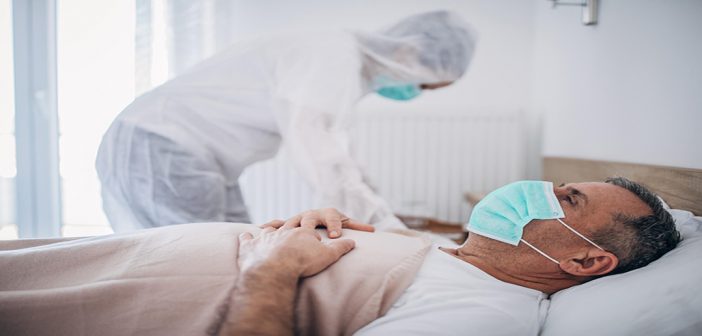
Higher viral loads are associated with a greater risk of death among cancer and non-cancer patients hospitalised with coronavirus disease 2019 (COVID-19), researchers report in the journal Cancer Cell. Among hospitalised COVID-19 patients, those with haematologic malignancies who had recently been treated for cancer had the highest levels of severe acute respiratory syndrome coronavirus 2 (SARS-CoV-2), which causes COVID-19. “As a community, we’ve only begun to understand the relationship between SARS-CoV-2 viral load and outcomes,” says senior study author Michael Satlin, an assistant professor of medicine in the Division of Infectious Diseases at Weill Cornell Medicine and an assistant attending physician…

The COVID-19 pandemic shocked the world. It affected and will probably modify both our lives and the way we treat cancer patients.  The pandemic spread in different ways between countries. The resources required to properly face the pandemic were not the same across the world. This affected the safety of medical personnel and patients alike – up to one quarter of patients did not receive tests to rule-out COVID-19 infection before treatment. The entire medical community were required to change cancer patient management. Generally there was an effort towards reducing hospital visits, implementing telemedicine and not-in-person consultations. There was an…

Imports of nicotine based vaping products have surged as cash-strapped Australian’s caught up in lockdown look to quit smoking according to new data. Under Government regulations, Australians wanting to use vaping products containing nicotine cannot purchase the product from local retailers but can import them from overseas retailers until the end of the year. The Australian Therapeutic Goods Administration (TGA) is considering an amendment to the Poisons Standard which would mean vaporiser nicotine products would require a prescription. A final decision is expected to be made in 2021. According to latest figures, the use of e-cigarettes is growing in many…

The results of an online questionnaire of 609 breast cancer survivors in the U.S. suggest that nearly half of patients experienced delays in care during the early weeks of the COVID-19 pandemic. The study, by researchers at the University of Illinois Chicago, is published in the journal Breast Cancer Research and Treatment. “The motivation for the study came from widespread reports of cancer care being delayed or procedures being canceled in the beginning of the pandemic, and we wanted to get a better handle on what was happening,” said Elizabeth Papautsky, assistant professor of biomedical and health information sciences at the…

1 11 12 13 14 15 20