Browsing: COVID-19 Pandemic

The latest news effecting cancer patients and oncology service delivery during the COVID-19 pandemic
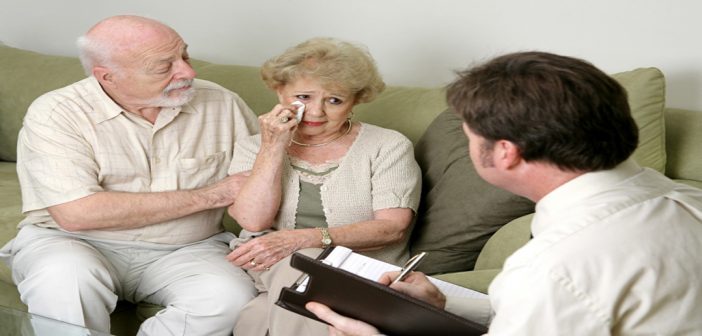
Psychosocial needs of people affected by cancer are not being adequately met due to the disruption in services caused by Covid-19, according to a new report in the journal Psycho-Oncology. During this unique study, researchers from six universities, as part of their work on the British Psychosocial Oncology Society Executive Committee, investigated how psychosocial support for those affected by cancer was impacted during the current Covid-19 pandemic. Surveying 94 professionals working in the field of psychosocial oncology in the UK, the researchers identified a number of concerns regarding suspension of face-to-face delivery of care to those affected by the disease. Care…

In the latest edition of The Oncology Podcast, Dr Craig Underhill chats with Professor Fran Boyle about burnout and resilience. It’s an honest and practical look at oncoburnout, corona anxiety, zoom cognitive load, telehealth communication skills and the multi-tasking myth. This is the extended version of the interview that began in Episode 10 of The Oncology Journal Club. Fran and Craig discuss practical ways to manage burnout and support good mental health. If you have ever wondered how useful mindfulness is in the oncology profession or if you are seeking recommendations and practical tips on how to combat burnout, then…

The COVID-19 pandemic is an opportunity to expand cancer survivorship services by maintaining and building better digital and telehealth systems, a Flinders University expert says in the Medical Journal of Australia. Professor Bogda Koczwara, from the Flinders Health and Medical Research Institute Cancer, says the pandemic presents a once-in-a-generation opportunity to consolidate and refine the content, method and appropriate use of multiple technologies in health care in general and in cancer survivorship. “The coronavirus disease COVID-19 can change lives overnight, bringing a collective sense of grief, lack of control and fear of the unknown—feelings very familiar to those who have lived through cancer,” Professor…

An e-health hub offering mental health support and enhanced pathways into clinical care for frontline health workers as they grapple with the COVID-19 outbreak has been launched by the Black Dog Institute. TEN (The Essential Network) is a multifaceted e-health hub, developed by health professionals for health professionals as part of the Australian government’s COVID-19 response. The network connects health workers to specialist, individualised mental health advice and triaged support to ensure access to the help they need when they need it the most. TEN is available via a website and an app and has been developed from the Australian…

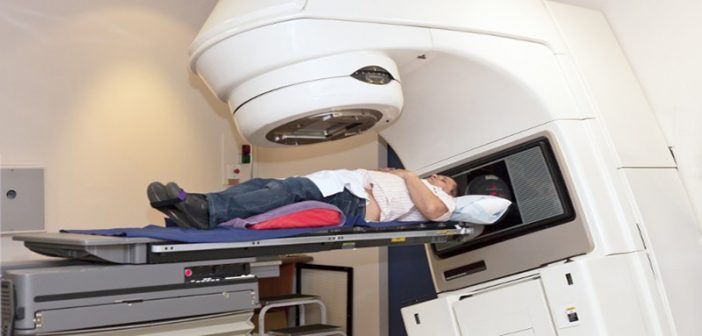
For cancer patients receiving radiation treatment during a surge in COVID-19 cases, adhering to the stay-at-home orders of quarantine is not always an option. The daily hospital trips potentially increase exposure, which is especially dangerous because cancer patients are at high risk for COVID-19 mortality. The option to delay radiation therapy until COVID-19 cases flatten could help cancer patients minimise exposure to the virus by staying home. A study by investigators from Brigham and Women’s Hospital found that for men with unfavourable intermediate-risk or high-risk localised prostate cancer, who are receiving radiation and hormone therapy, delaying radiation while remaining on…

A new breast cancer study brings reassuring findings for women with early-stage breast cancer who were forced to delay their cancer operations because of the Coronavirus Disease 2019 (COVID-19) pandemic. A longer time from diagnosis to surgical treatment does not lower overall survival of women with early-stage breast cancer who underwent delayed operations before the pandemic, according to the study results, which are published in the Journal of the American College of Surgeons website in advance of print. The researchers also found no survival decrease with operative delays in women with oestrogen-sensitive, early-stage breast cancer who received neoadjuvant endocrine therapy (NET). NET…

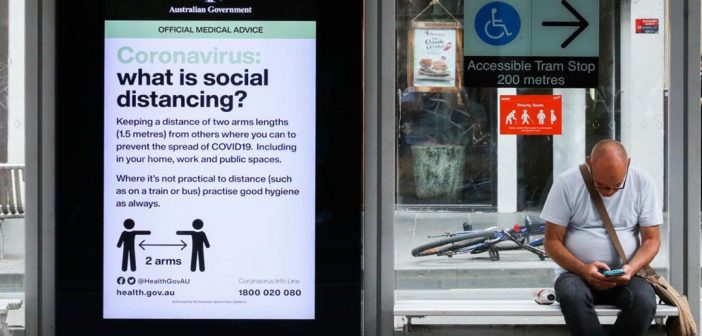
COVID-19 has now made us two Australias. There’s Victoria – most specifically Melbourne – and then there’s the rest of the country. Melbourne’s extraordinary lockdown complete with curfew is an act of desperation by Daniel Andrews’ government, as it fights a daily tally of several hundred new cases. Scott Morrison will remember when he berated the media for using the term “lockdown”. Now he finds himself using it all the time. Melbourne has become a city where citizens are supervised by police and soldiers. Its economy will be crushed. Regional Victoria’s lockdown is somewhat milder but it will take a…

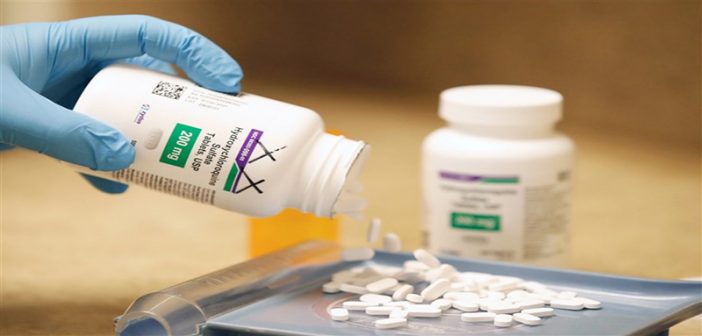
The National COVID-19 Clinical Evidence Taskforce has upgraded the strength of its recommendation against the use of the widely-debated drug, hydroxychloroquine. The Taskforce is comprised of 29 peak health professional bodies whose members are caring for people with COVID-19. The strong recommendation is as follows: Do not use hydroxychloroquine for the treatment of COVID-19. This recommendation applies to adults, children and adolescents, pregnant and breastfeeding women, older people living with frailty and those receiving palliative care. Use of hydroxychloroquine may still be considered in the context of randomised trials with appropriate ethical approval, such as combination therapies that include hydroxychloroquine.…

Welcome to The C Word – a special edition of The Oncology Journal Club focused entirely on COVID-19, with Special Guest Professor Raina MacIntyre. As regular listeners will know, our hosts Eva Segelov, Craig Underhill and Hans Prenen have resisted an episode on COVID-19 because like the rest of Australia, they hoped we had escaped the worse of the pandemic. However in the last couple of weeks the situation has become much more difficult in Victoria, and dire in some places, particularly in nursing homes. We felt it was time for a special episode to bring you up to date…

An ESMO interdisciplinary expert consensus paper on how to manage cancer patients during the COVID-19 pandemic has been published in Annals of Oncology, encouraging medical oncologists worldwide not to discontinue or delay any type of anti-cancer treatment that may potentially impact on overall survival. The experts also urge to stop labelling all cancer patients as vulnerable to coronavirus infection since this may lead to inappropriate care and potential negative outcomes. Coronavirus disease (COVID-19) is an infectious disease caused by a newly discovered coronavirus in humans (SARS-CoV-2) for which there is no proven therapy yet. Since its outbreak in December 2019, over…

1 12 13 14 15 16 20