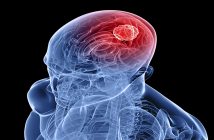

All cancer is nasty, but some forms are nastier than others. Take glioblastoma, a thankfully rare form of tumour: It grows quickly and aggressively on the brain or brain stem, cannot be cured, and is almost always fatal.
It’s also hard to treat, requiring intensive radio and chemotherapy that patients are often unable to complete. But scientists may have just found a new method: a noninvasive cap that uses an oscillating magnetic field to shrink the tumour.
The device was recently tested on a 53-year-old glioblastoma patient, whose tumour showed a remarkable 31 percent size reduction in a short time before the patient sadly passed away from an unrelated traumatic head injury.

“Thanks to the courage of this patient and his family, we were able to test and verify the potential effectiveness of the first noninvasive therapy for glioblastoma in the world,” said neurosurgeon David S. Baskin of Houston Methodist Hospital.
“The family’s generous agreement to allow an autopsy after their loved ones’ untimely death made an invaluable contribution to the further study and development of this potentially powerful therapy.”
The helmet is mounted with three strong, rotating permanent magnets that generate an oscillating magnetic field. Using this technology, the researchers were able to reduce glioblastoma volume and mass in cell cultures and human glioblastoma cells grafted into mice (xenografts) in a laboratory setting.
The magnetic field, the researchers found, disrupts electron transport in the series of reactions mitochondria use to produce the chemical energy that powers our cells. However, this disruption only occurs in the presence of certain metabolism-enhancing compounds produced by tumour cells, which means the disrupted glioblastoma cells die off while healthy cells remain intact.
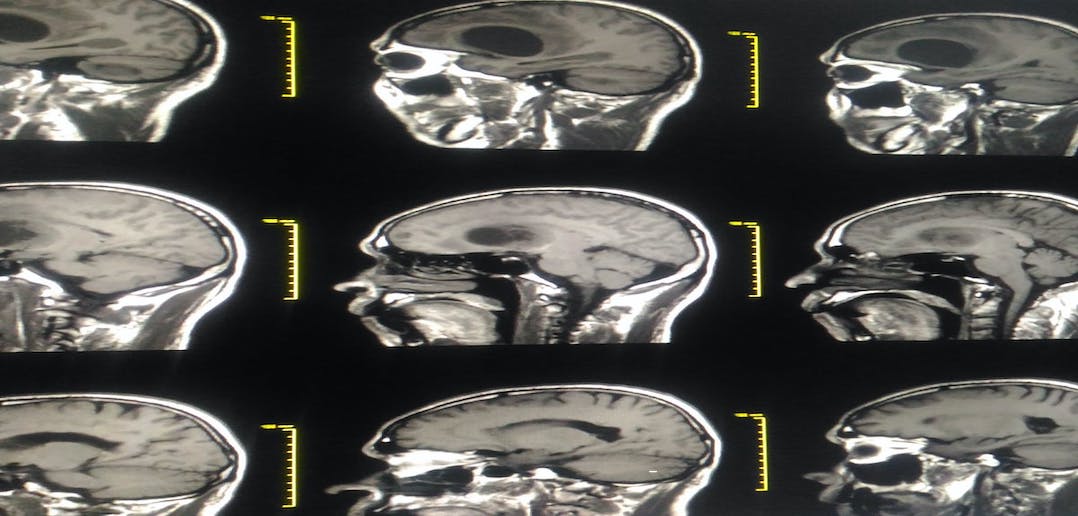
The patient had visited a doctor for “altered mental status” in May 2018, which led to the discovery of a large tumour that had spread across both frontal lobes and infiltrated the corpus callosum ‘bridge’ in-between.
In June that year, he underwent surgery to have the glioblastoma excised; unfortunately, the tumour grew back, and continued to grow despite aggressive treatment. As traditional treatments were no longer sufficient to his needs, he was approved to trial the magnetic helmet.
After signing informed consent documents in April 2020, the treatment commenced. For three days, the patient underwent the treatment in a clinic, while his spouse was trained in the care and use of the helmet. After this, he continued with treatment at home, starting with sessions of two hours per day, and increasing them to six hours.
In all, the treatment continued for 36 days. In this time, the glioblastoma shrunk by 31 percent, the researchers said, and the patient’s caregivers reported an improvement in speech and cognitive function.
After 36 days, the treatment had to cease, since the patient had fallen and injured his head. Sadly, he passed away not long after.
Although the story has a tragic end, and this case study concerns just a single patient, these preliminary results are encouraging. The tumour reduction is consistent with previous observations on cell cultures and xenografted mice, and showed rapid reduction where the usual cancer treatments had failed to halt the growth.

If the helmet’s efficacy can be demonstrated on other human patients, it may offer a much more gentle treatment option for one of the more horrendous forms of cancer.
“Imagine treating brain cancer without radiation therapy or chemotherapy,” Baskin said.
“Our results in the laboratory and with this patient open a new world of non-invasive and nontoxic therapy for brain cancer, with many exciting possibilities for the future.”
The research has been published in Frontiers in Oncology.
Source: Houston Methodist