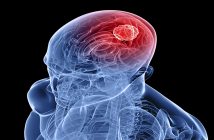


A groundbreaking collaborative effort aimed at bringing hope to patients with glioblastoma has yielded remarkable outcomes among the initial recipients of the innovative treatment. Published in The New England Journal of Medicine, the findings from a phase 1 clinical trial conducted by researchers from the Mass General Cancer Center, USA, highlight the early success of a novel approach to CAR-T therapy for glioblastoma (GBM). Known as the INCIPIENT trial, this study aims to assess the safety and efficacy of CARv3-TEAM-E T cells in patients with recurrent GBM.
Within days of receiving a single treatment, patients experienced significant reductions in tumour size, with one individual achieving near-complete tumour regression. While tumour progression was observed over time in some cases, the encouraging initial results have spurred the research team to explore strategies to prolong the duration of response.
Dr. Bryan Choi, a neurosurgeon and associate director of the Center for Brain Tumor Immunology and Immunotherapy at the Mass General Cancer Center, emphasised the journey from laboratory innovation to real-world application, highlighting the potential of CAR-T therapy to revolutionise cancer treatment, particularly for challenging solid tumours like glioblastoma.
The pioneering approach stems from years of collaboration and innovation led by Dr. Marcela Maus, director of the Cellular Immunotherapy Program at the Mass General Cancer Center. Dr. Maus and her team have worked tirelessly to translate laboratory discoveries into clinical trials, with a focus on transforming care for cancer patients.
While the results are promising, Dr. Maus stressed that they represent just the beginning of a journey toward potentially transformative therapy for glioblastoma.
CAR-T therapy harnesses the power of a patient’s own immune cells to target cancer cells, offering a highly personalized approach to treatment. The cells used in this study were modified to express chimeric antigen receptors (CARs), enabling them to recognise and attack tumour cells directly.
While CAR-T therapies have been successful in treating blood cancers, their application in solid tumours has been limited due to tumour heterogeneity. Dr. Maus and her team devised an innovative strategy to address this challenge, combining CAR-T therapy with bispecific antibodies known as T-cell engaging antibody molecules (TEAMs). This combined approach showed promise in preclinical models of glioblastoma, leading to the initiation of the INCIPIENT trial.
The trial enrolled three patients between March 2023 and July 2023, all of whom had experienced disease recurrence despite standard-of-care treatment. Following infusion with CAR-TEAM cells, patients were monitored for toxicity throughout the study duration.
As the journey continues, the researchers remain committed to advancing the frontier of cell therapy and bringing hope to patients battling this challenging disease.
Paper: Choi, B.D, et al. Intraventricular CARv3-TEAM-E T Cells in Recurrent Glioblastoma. NEJM. March 13, 2024. DOI: 10.1056/NEJMoa2314390. Access online here.