

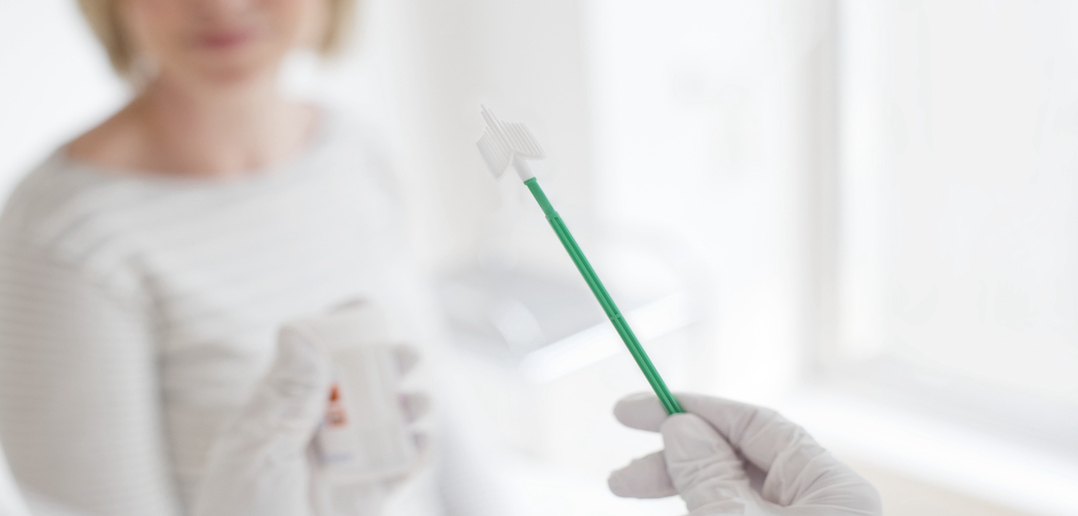
The change means women and people with a cervix can now collect the sample themselves when doing the Cervical Screening Test.
Pene Manolas, Cervical Screening Program Manager at Cancer Institute NSW, says the new policy has the potential to help more people prevent cervical cancer.
“We know that many people have never screened or are very overdue, and we hope the new collection method could be the encouragement they need to book in,” Ms Manolas explains.

“Self-collection can help breakdown potential barriers of pain or shame, and offer empowerment for people to screen themselves.”
What does the change to self-collection mean?
Self-collection has previously been an option to some people getting a cervical screen, but the new change means it is available for everyone aged 25-74.
Importantly self-collection is still done through the same Cervical Screening Test providers, including local GPs, community health centres, women’s health centres, Aboriginal Medical Services, and more.
People do not have to do anything differently when they make an appointment, but they should talk to their health professional if they have any questions or concerns, and discuss which option is right for them.

Working together to prevent cervical cancer
The National Cervical Screening Program aims to reduce cervical cancer in Australia. A Cervical Screening Test is recommended for women and people with a cervix every 5 years from ages 25–74.
Cervical screening prevents cervical cancer by looking for human papillomavirus (HPV).
If HPV is found the test looks for any abnormal cells which can be monitored and if necessary, treated to prevent them from turning into cervical cancer.
Source: Cancer Institute NSW