

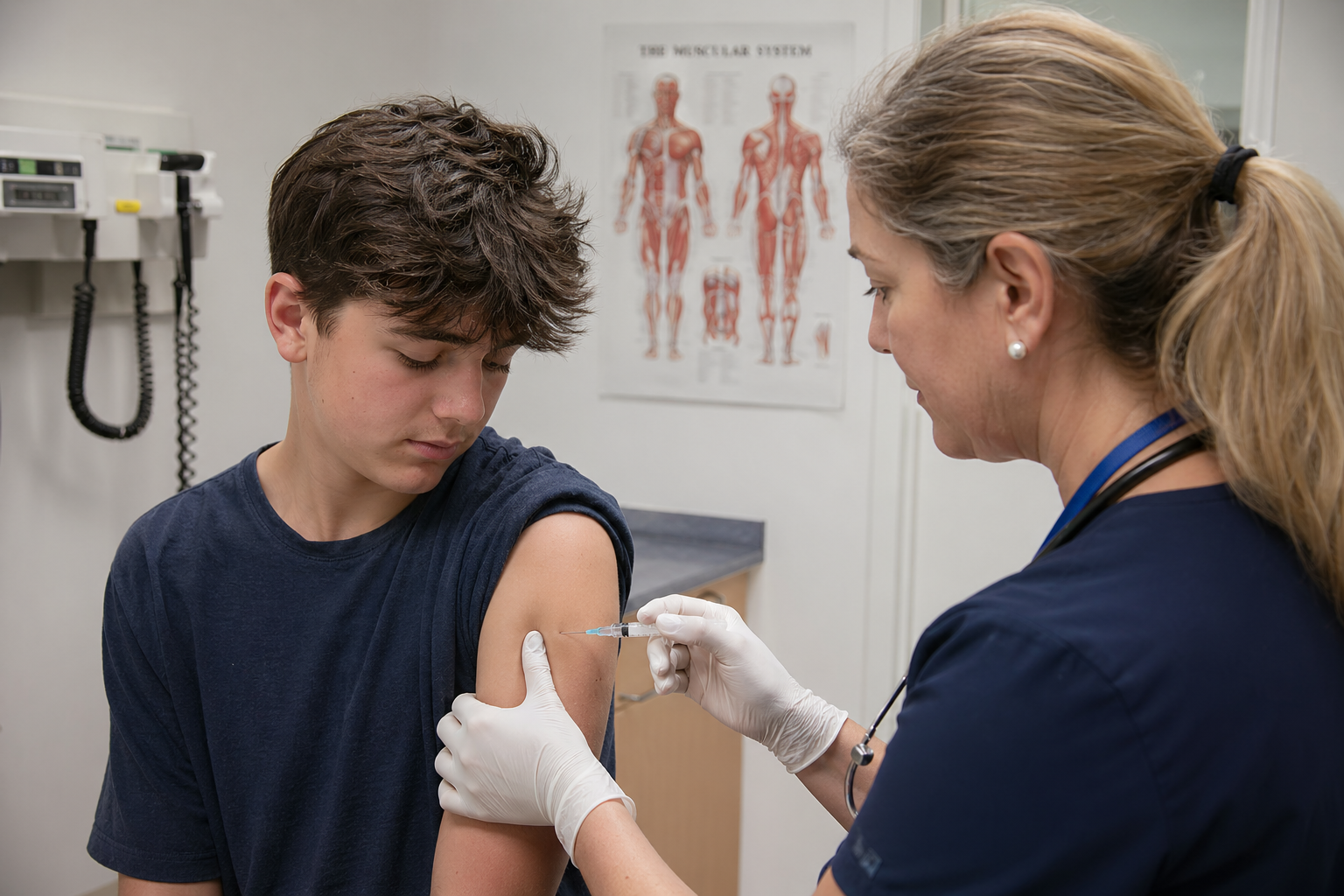
A large international cohort study published in JAMA Oncology adds further weight to the case for gender-neutral HPV vaccination, showing that the nine-valent human papillomavirus (9v-HPV) vaccine was associated with a significantly lower risk of HPV-related cancers in adolescent and young adult males.
Using a large global database of US patients, researchers found that vaccinated males had a significantly lower risk of developing HPV-related cancers—including head and neck, anal, penile, and oesophageal cancers—compared with unvaccinated males. The protective association was seen across both younger adolescents and older young adults, supporting broader uptake of HPV vaccination beyond female-only strategies.
 Researchers conducted a multicentre retrospective cohort study using a large global database of US patients to compare cancer outcomes in males aged 9–26 years who had received at least one dose of the 9v-HPV vaccine between 2016 and 2024, versus unvaccinated males. Outcomes were followed for up to 10 years.
After propensity score matching, 510,260 vaccinated males were matched with 510,260 unvaccinated controls to assess the incidence of HPV-related cancers. These included head and neck, anal, penile, and oesophageal cancers.
Key findings
Vaccinated males had a significantly lower risk of the primary composite outcome of HPV-related cancers compared with unvaccinated males (HR 0.54; 95% CI, 0.37–0.81; P = .002).
The benefit remained significant in both age groups studied:
- ages 9–14 years: HR 0.58 (95% CI, 0.34–0.97; P = .04)
- ages 15–26 years: HR 0.50 (95% CI, 0.27–0.93; P = .03)
Before matching, the study included 615,155 vaccinated males and 2,290,623 unvaccinated males, making this one of the largest real-world analyses of male HPV vaccination outcomes to date.
Clinical implications
Historically, much of the public health focus around HPV vaccination has centred on cervical cancer prevention in women. However, HPV also contributes substantially to cancers affecting males, particularly oropharyngeal and anogenital malignancies.
These findings strengthen the argument for sex-neutral vaccination programs and may help support policy decisions in regions where male vaccination uptake remains inconsistent or underfunded.
Importantly, the study also suggests benefits even in males vaccinated later in adolescence and early adulthood, although earlier vaccination remains preferable for maximal prevention.
As HPV-related head and neck cancers remain an increasing clinical concern, prevention strategies that include boys and young men are becoming increasingly difficult to ignore. This study adds strong real-world evidence that vaccination may help reduce the future burden of HPV-related cancers in males while strengthening support for broader vaccination strategies across both sexes.
Paper: Kitano T, Yoshida S. Nine-Valent Human Papillomavirus Vaccination and Related Cancers in Males. JAMA Oncol. Published online April 09, 2026. doi:10.1001/jamaoncol.2026.0496 Access online here.


