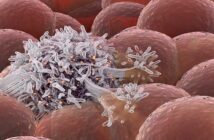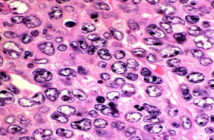


For cancer- and infection-fighting T cells, glucose offers far more than a simple sugar rush.
A discovery by Van Andel Institute scientists reveals that glucose, an essential cellular fuel that powers immune cells, also aids in T cells’ internal communication and boosts their cancer-fighting properties.
The findings may help optimise T cells’ ability to combat cancer and other diseases.
A study describing the work published today in Cell Metabolism.
“Immune cells are highly influenced by their environment,” said Joseph Longo, Ph.D., the study’s first author and a postdoctoral fellow in the lab of Russell Jones, Ph.D. “We knew that T cells need access to glucose to function, but we didn’t know exactly why. It was previously thought that T cells mainly break down glucose for energy, but our new work shows that T cells use glucose as a building block for other molecules that are necessary to support T cells’ anti-cancer properties.”
The findings reveal that T cells allocate significant portions of glucose to build large molecules called glycosphingolipids (GSLs).
These sugar-fat compounds are essential for T cell growth and making proteins that T cells use to combat cancer.
GSLs help form fat-rich structures on T cell surfaces called lipid rafts, which bring together cell signalling proteins that instruct the T cell to kill cancer cells.
Genetic testing can transform surgical decisions and family risk assessment. New tools are making it easier for all clinicians to integrate testing without specialist referrals.

Listen Now | Exclusive to The Oncology Network
Without GSLs, these signals are weaker, making T cells less effective at destroying tumours.
“Both T cells and cancer cells leverage different nutrients to support varying aspects of their function,” Jones said.
“The more we know about these different fuel sources, the better we can support T cells’ innate cancer-fighting abilities while also developing ways to possibly make cancer cells more vulnerable to immune attack.”
Source: Van Andel Research Institute