
It comes on the back of alarming data, showing more than 800 people across 12 months presenting to emergency departments for sunburn.
Health Minister Ryan Park says more needs to be done to reduce the incidence of skin cancer, joining NSW Chief Cancer Officer Professor Tracey O’Brien to introduce the NSW Skin Cancer Prevention Strategy 2023–to2030.
“Melanoma is the deadliest form of skin cancer, and by the end of the year, we anticipate close to 6,000 people in NSW will be diagnosed with this devastating cancer,” Minister Park says.
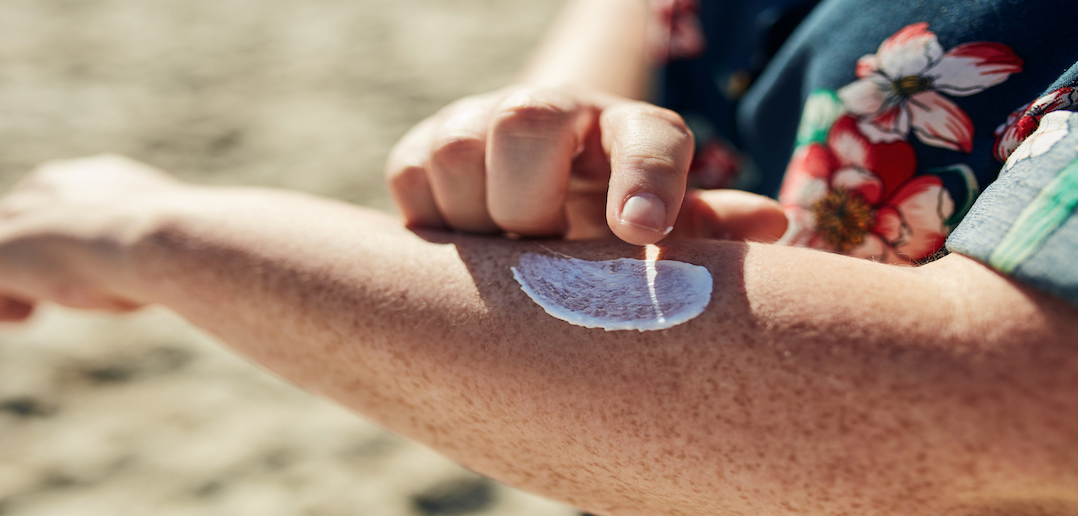
“Sun damage and skin cancers are highly preventable, and we’re encouraging the community to do really simple things like seeking shade when outdoors, wearing sunscreen, putting on a hat, sunglasses and protective clothing to safeguard themselves.

LISTEN NOW ON THE ONCOLOGY NETWORK
“Even mild exposure to the sun can lead to damage and I’m confident our latest Skin Cancer Prevention Strategy will help build on decades of skin cancer prevention work in NSW and save more lives.”
Two in three Australians will be treated for skin cancer during their lifetime, with 95 per cent of melanoma and 99 per cent of non-melanoma skin cancers caused by overexposure to UV radiation from the sun.
Coming together across the state
The NSW Skin Cancer Prevention Strategy 2023–to2030 was developed by the Cancer Institute NSW in partnership with 20 organisations and experts across health, education, industry, sport and recreation, and 600 community members.
“This new strategy is about working across government and community to ensure people are empowered and supported to protect their skin when at school, work and enjoying the outdoors,” explains Prof Tracey O’Brien, NSW Chief Cancer Officer and CEO of Cancer Institute NSW.
The strategy focuses on the importance of embedding skin cancer prevention strategies across the public, private and community sector; improving access to quality shade at work, school, play and public spaces; and increasing the adoption of sun protection behaviours.
Protection starts in childhood
As a child who spent most of her time outdoors enjoying nippers and netball, Kate Thomas received a devastating melanoma skin cancer diagnosis at the age of 27.
“When I was told I had skin cancer, I couldn’t believe it and my mind automatically went to the worst possible scenario. It was incredibly frightening,” Ms Thomas says.
 LISTEN NOW ON THE ONCOLOGY NETWORK
“My diagnosis completely changed my outlook on sun safety and I hope to encourage young people to take skin cancer seriously, and not make the same mistakes I made.”
NSW Chief Cancer Officer and CEO of Cancer Institute NSW, Professor Tracey O’Brien, says high sun exposure in the first 10 years of life more than doubles a person’s risk of developing melanoma skin cancer.
“Australia has one of the highest skin cancer rates in the world and protecting our skin from the sun from a very young age, and into adulthood, is key to reducing our risk of skin cancer,” Prof. O’Brien says.
“When people think of skin cancer risk, they often think of a day at the beach, but in NSW, UV radiation levels are high 10 months of the year which is why its vital people protect their skin all year round, even on cool and cloudy days.
Source: Cancer Institute NSW. The Cancer Institute NSW website has more information and resources to help young people protect their skin: www.cancer.nsw.gov.au/protect-your-skin
Source: Cancer Institute NSW