
Up to one-third of patients receiving high-dose doxorubicin treatment experience heart damage, which in the long term can lead to heart failure. Like cancer cells, dox can enter normal heart cells where it damages the cell’s DNA and ultimately causes cell death. To increase dox’s specificity for cancer cells, researchers Arun Sharma, Xiaojiang Cui, and colleagues at Cedars-Sinai Medical Center and scientists at Sunstate Biosciences Inc, USA, came up with a way of enveloping dox with a protein shell.

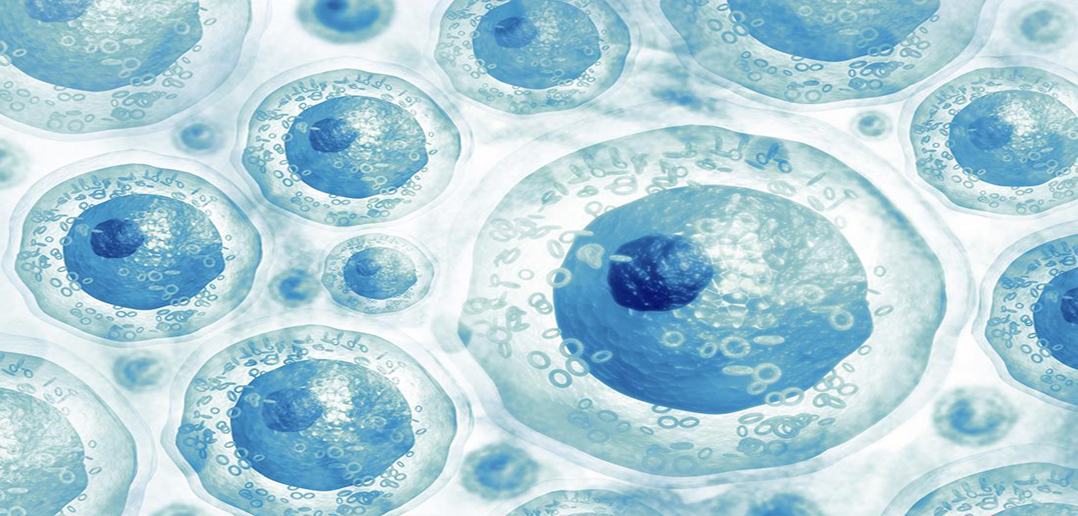
The new formulation called SPEDOX-6 increased the drug’s likelihood of being taken up by fast-dividing cells such as cancer cells while also reducing its toxicity to heart cells. Lab-based tests with human cancer cells and human stem cell-derived heart cells confirmed that SPEDOX-6, like dox, was highly toxic to cancer cells but much less toxic to normal human heart cells than conventional dox.
The same effect was seen with heart cells made from patients with an increased risk for dox-induced heart damage due to genetic mutations. This data confirms that SPEDOX-6 is less toxic to heart cells while preserving its anticancer activity. A clinical trial is currently being planned to test the safety and efficacy of SPEDOX-6 in cancer patients.