

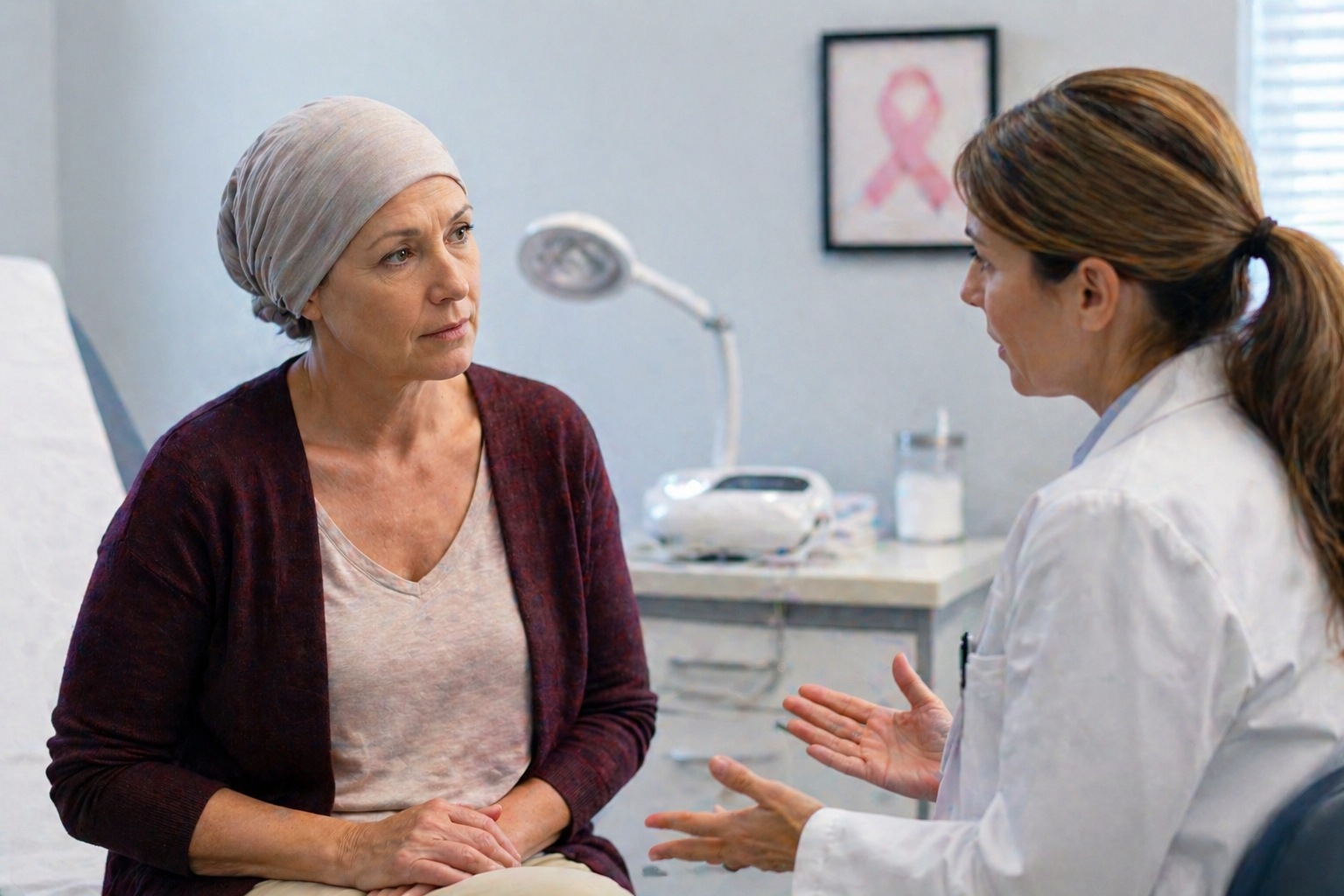
The Alliance for Clinical Trials in Oncology is now enrolling patients into a clinical trial aimed at evaluating whether laser therapy can reduce vaginal side effects associated with breast cancer treatment. Supported in part by a grant from the National Cancer Institute, the REVITALIZE study (Alliance A221801) will test whether a laser therapy helps reduce vaginal dryness caused by breast cancer treatment.
“This study addresses an unmet supportive care need for breast cancer survivors,” said Maryam Lustberg, MD, MPH, study chair and Professor of Medical Oncology at Yale University Comprehensive Cancer Center.
“By using a randomised, placebo-controlled design and patient-reported outcomes, REVITALIZE aims to provide clear evidence to guide patients and clinicians on how to reduce the long-term genitourinary side effects of breast cancer treatment to improve quality of life.”
The study is co-led by Don Dizon, MD, the Jane F. Desforges, M.D., Chair in Hematology and Oncology at Tufts University School of Medicine, and Allison Quick, MD, Associate Professor of Radiation Oncology from The Ohio State University Comprehensive Cancer Center.
 Vaginal dryness and related symptoms are common and often persistent side effects experienced by breast cancer survivors, particularly among women who are postmenopausal and/or receiving long-term endocrine therapies such as aromatase inhibitors or tamoxifen. These symptoms can have a significant impact on quality of life, intimacy, and overall well-being. Current treatment options are limited, especially for patients who cannot use estrogen-based therapies.
The REVITALIZE trial is designed to evaluate whether vaginal fractional CO₂ laser therapy provides symptom relief. Vaginal CO₂ laser therapy is a minimally invasive procedure that lasts about 15 minutes. Clinicians insert a small probe into the vagina, where pulses of light energy are delivered to the tissue. The treatment is intended to stimulate tissue repair and blood flow, although high-quality evidence of clinical benefit in breast cancer survivors remains limited.
REVITALIZE plans to enrol approximately 250 women with a history of breast cancer who experience moderate to severe vaginal dryness. Participants are randomised to receive either:
- Vaginal fractional CO₂ laser therapy, or
- A placebo procedure.
Treatments are administered every six weeks for a total of three sessions. Participants will be followed for up to 24 months after treatment to assess both short- and long-term outcomes. Patients randomly assigned to the placebo group will have the option of receiving laser therapy after the three placebo sessions.
The primary objective of the study is to determine whether laser therapy improves the severity of vaginal dryness, measured using an 11-point patient-reported scale. Secondary objectives include evaluating vaginal discomfort during sexual activity, overall quality of life, and the incidence of treatment-related side effects.
“Supportive care research is a growing priority in oncology, as treatments continue to improve and some survivors can expect to live many decades after their initial treatment ends,” Dr. Lustberg added. “Findings from the REVITALIZE trial are expected to inform evidence-based recommendations for managing painful symptoms in breast cancer survivors, impacting quality of life, and may influence clinical guidelines nationwide.”