

A phase 1b trial combining a bispecific T cell engager with a tumour-targeted costimulatory agent has demonstrated early signs of activity in microsatellite-stable (MSS) colorectal cancer—an immunologically “cold” tumour type that has historically shown limited response to immunotherapy.
MSS colorectal cancer accounts for the majority of colorectal cancer cases and is typically resistant to checkpoint inhibitors, highlighting an unmet need for effective immunotherapy strategies.
CLINICAL SUMMARY
What was examined
Phase 1b trial of cibisatamab (CEA-targeting bispecific antibody) combined with a FAP-targeted 4-1BB costimulatory agent in microsatellite-stable colorectal cancer.
Key findings
- Combination strategy showed manageable safety, with toxicities consistent with T cell–engaging therapies, including cytokine release–related events.
- Evidence of antitumour activity observed, including objective responses and disease stabilisation in a subset of patients.
- Correlative data indicate immune activation within the tumour microenvironment, consistent with the proposed dual-mechanism approach.h
Clinical implications
- Suggests a potential strategy to enhance immunotherapy activity in MSS colorectal cancer
- Supports further development of combination approaches targeting both T cell recruitment and activation
- Larger studies are needed to confirm efficacy, durability, and optimal patient selection. on
In this phase 1b study, investigators evaluated the combination of cibisatamab, a CEA-targeting bispecific antibody designed to engage T cells, with a fibroblast activation protein (FAP)-targeted 4-1BB costimulatory agent, aimed at delivering localised costimulatory signals within the tumour microenvironment.
The rationale for the combination is to both recruit T cells to the tumour and enhance their activation in situ, potentially overcoming immune resistance in MSS disease.
The study demonstrated manageable safety, with adverse events consistent with the known profiles of T cell–engaging therapies, including cytokine release–related events.
Preliminary efficacy signals were observed, with evidence of antitumour activity, including objective responses and disease stabilisation in a subset of patients. While response rates were modest, the findings are of interest given the historically limited activity of immunotherapy in MSS colorectal cancer.

Featured Event
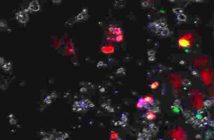
Correlative analyses suggested immune activation within the tumour microenvironment, consistent with the proposed mechanism of action of dual targeting—bringing T cells into proximity with tumour cells while simultaneously enhancing their functional activity.
These results support further investigation of combination immune-engaging strategies designed to convert immunologically “cold” tumours into more responsive states.
However, as an early-phase study, the sample size is limited, and longer follow-up is required to better define the durability of response, optimal dosing, and safety.
From a clinical perspective, the study highlights a potential path forward for immunotherapy in MSS colorectal cancer, where treatment options remain limited once standard therapies have been exhausted.
Paper: Melero, I., Tanos, T., Calvo Aller, E. et al. Cibisatamab and FAP-4-1BBL in microsatellite-stable colorectal cancer: a phase 1b trial. Nat Med (2026). Access online here.