
Photo: Thinkstock
Source: SMH – UTS Brink
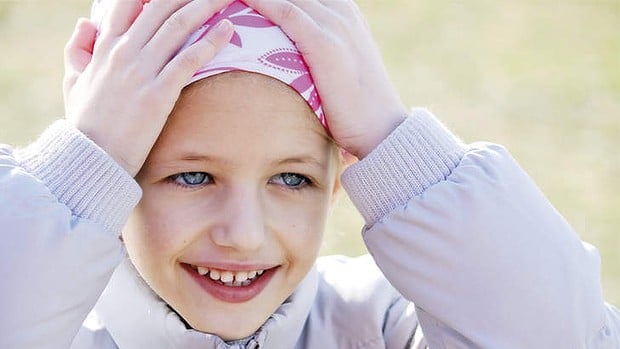
In an unassuming office on Broadway in Sydney, the way in which childhood cancer is understood and treated is being revolutionised. The benefits are being felt by clinicians and patients.
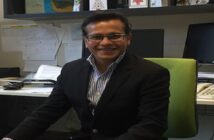
The revolution is thanks to Director of the Knowledge Infrastructure Laboratory (KIL) at the University of Technology, Sydney (UTS) Dr Paul Kennedy, and his colleagues and students. The researcher and academic is combining data mining with his passion for the health and the happiness of children with cancer.
“We’re trying to better understand how to treat children who have several cancers: leukemia is one, neuroblastoma is another and rhabdomyosarcoma – a cancer that originates in the cells that develop into skeletal muscle – is the third,” he says.
As part of his work, Dr Kennedy is analysing more than 40,000 genetic attributes, including gene activity and DNA sequence variations, identified in tumours from over 200 cancer patients to find trends in the biology that explain how the tumours are growing. The data is then used to predict treatment relapse with an aim to inform the clinician’s decisions during patient management.
Dr Kennedy’s colleague, Associate Professor at the Children’s Hospital at Westmead, Dr Daniel Catchpoole, is responsible for converting the data into these more actionable items.
“I need to basically make this complex information accessible to clinicians and to the real domain to open up the opportunity for clinicians to access this complex data to learn how to best treat their patient,” Dr Catchpoole says.
He believes the ability to understand large amounts of complex data is essential in determining the prognosis of cancer patients.
“What we are seeing in the last couple of years is the need, not just the value, but the need for people with understandings of complex data and computational programs.” Read more